What is a Licensed Holistic Health Practitioner
A License Holistic Health Practitioner is a trained wellness professional focused on mind-body-spirit well-being, using natural methods like nutrition, massage, and energy work, often requiring municipal business licenses or association certifications for legitimacy, distinguishing them from unlicensed providers while working alongside conventional medicine to support overall health.
Licensing ensures they meet training standards, follow ethical codes, and operate legally, but requirements vary by location and specific modalities, with some holistic roles being voluntary certifications.
What They Do
Comprehensive Care
Address physical, mental, emotional, and spiritual health, not just isolated symptoms.
Diverse Modalities
Employ techniques like nutrition counseling, holistic modalities, stress management, aromatherapy, reflexology, or energy healing (Reiki, crystals).
Supportive Role
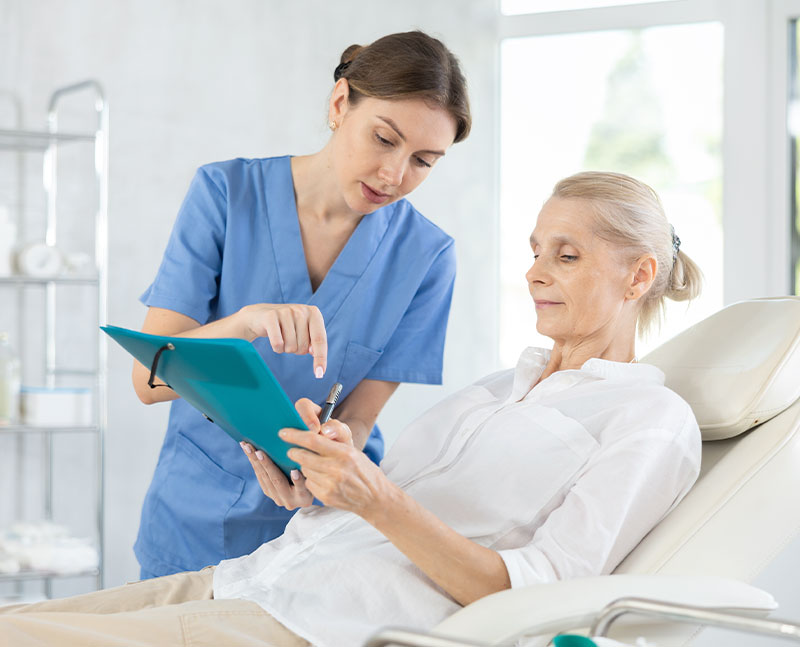
Work with clients to create personalized wellness plans, boost self-healing, and improve lifestyle, often complementing medical treatments.
Licensing & Regulation (Example: Toronto, Canada)
- Municipal License: In places like Toronto, a practitioner needs a city license to operate legally as a business, often requiring proof of training from recognized associations.
- Professional Associations: Groups like the National Association of Holistic Health Practitioners (NAHHP) provide training recognition and help members meet requirements.
Holistic Health
Holistic health is an approach to wellness that views the body, mind, and spirit as interconnected and addresses all of them for optimal health. It goes beyond treating symptoms to focus on the whole person, considering physical, emotional, spiritual, and social aspects of well-being, and how they influence each other. This approach often includes a combination of conventional medicine and complementary therapies, such as yoga, massage, and stress-reduction techniques.
Key Principles of Holistic Health
Whole-Person Focus
Treats the individual as a complete system rather than a collection of isolated parts.
Patient Empowerment
Empowers individuals to take a more active role in their own health and well-being.
Mind-Body Connection
Recognizes that mental and emotional states can directly impact physical health, and vice versa.
Integration of Therapies
Can incorporate a wide range of practices, from traditional medical treatments to alternative remedies and lifestyle adjustments.
Balance and Harmony
Aims to achieve balance among different aspects of life for overall well-being, including physical, nutritional, emotional, social, and spiritual health.